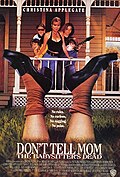
"Don't Tell Mom": A Modern Remake's Fresh Narrative Unveiled
In the landscape of remakes, few manage to genuinely capture the spirit of their predecessor while forging a wholly unique path. Yet, director Wade Allain-Marcus achieves precisely this with his modern reinterpretation of the beloved nineties classic. From its opening moments, this new vision of Don't Tell Mom The Babysitter's Dead signals a bold and refreshing narrative shift, immediately immersing audiences in a story that feels both familiar and strikingly new. It's a testament to thoughtful adaptation, proving that some stories, when given a contemporary lens and a fresh perspective, can resonate even more profoundly with a new generation.
This isn't just a simple rehashing; it's a careful deconstruction and rebuilding of the original premise, designed to explore themes of family, responsibility, and unexpected adulthood in a vibrant, engaging way. By altering key details, streamlining the cast, and anchoring the story around a dynamic Black family navigating life's absurdities, the film becomes not only genuinely funny but also deeply heartfelt. It's rare to find a movie that so perfectly balances genuine laughs with an authentic portrayal of human connection, making this iteration of Don't Tell Mom The Babysitter's Dead a standout success.
A Fresh Take on a Nineties Classic: Setting the Scene
The challenge of remaking a cult classic like Don't Tell Mom The Babysitter's Dead lies in respecting its legacy while daring to innovate. Director Wade Allain-Marcus, alongside screenwriter Chuck Hayward, rises to this challenge with remarkable finesse. They don't just update the technology; they fundamentally alter the emotional core and cultural context. Our story centers on seventeen-year-old Tanya Crandell (played with compelling nuance by Simone Joy Jones), whose dreams of a carefree summer trip to Spain with friends are abruptly shattered. Her widowed mother, portrayed brilliantly by Patricia ‘Ms. Pat’ Williams, experiences a raw, emotional breakdown at work, necessitating an urgent, doctor-prescribed yoga immersion in Thailand. Tanya's hard-earned travel money is suddenly redirected to fund her mom's much-needed retreat.
The plot thickens with the arrival of the dreaded babysitter: the ninety-year-old Ms. Sturak (a hilariously formidable June Squibb). Far from the sweet, kindly elder one might expect, Ms. Sturak is openly racist and notoriously rude, immediately establishing an antagonistic dynamic with the Crandell siblings—burn-out Kenny (Donielle T. Hansley Jr.), sinister Melissa (Ayaamii Sledge), and simpleminded Zack (Carter Young). Fortunately for the children (and unfortunately for Ms. Sturak), her reign of terror is short-lived; she dies peacefully in her bed on the very first night. This pivotal moment not only launches the core comedic dilemma but also forces the dysfunctional family to unite in an elaborate, darkly comical scheme to "dispose" of the deceased, echoing a gag from the original while setting the stage for their own unique brand of chaos.
Beyond Comedy: The Heart of the Crandell Family
While the initial premise of a dead babysitter and desperate kids attempting to cover it up is inherently comedic, this remake delves far deeper, focusing on the profound journey of the Crandell family learning how to truly function as a unit. By subtly altering some plot points and judiciously trimming less essential characters from the original narrative, the film keeps its focus laser-sharp on the siblings' evolving relationships. The pressure of keeping their mother's absence and the babysitter's demise a secret, coupled with the urgent need for financial survival, strips away their individual pretenses and forces them into an unexpected alliance. This shared ordeal becomes the crucible in which their sibling bonds are forged and tested, highlighting resilience, resourcefulness, and the often-unspoken love that holds families together.
Screenwriter Chuck Hayward deserves immense credit for his brilliant modification of the original screenplay, co-created by Neil Landau and Tara Ison. Hayward and Allain-Marcus intricately weave character development for each Crandell sibling, ensuring they are more than just props in Tanya's story. From Kenny's surprising moments of insight to Melissa's cunning and Zack's innocent charm, each child contributes significantly to the family's dynamic. This deeper exploration of family bonds, particularly within a Black family context, adds layers of authenticity and cultural resonance that were absent in the original. It powerfully showcases how these young individuals come together to achieve the unthinkable, often going against societal expectations for young people. For a closer look at how this film redefines its classic roots, explore "Don't Tell Mom": A Black Family Redefines the Classic, which delves into these significant cultural contributions.
Tanya's Accidental Adulthood: Fashion, Finance, and Faking It
At the core of this modern retelling is Tanya Crandell's transformative journey into reluctant adulthood. Her summer, once destined for relaxation and discovery abroad, is abruptly rerouted into a crash course in responsibility, financial management, and the often-unforgiving world of work. With her mother away and no access to funds, Tanya quickly discovers the harsh realities of keeping a household afloat. Her initial attempts to navigate the gig economy prove insufficient for the mounting expenses of a family of four, pushing her towards a desperate, yet ingenious, solution.
Tanya's audacious move to fake a resume and land an executive assistant position at a crumbling fashion company, overseen by the exceptionally cool Rose (portrayed by a delightful Nicole Richie), forms one of the film's most entertaining and insightful arcs. Overnight, Tanya is thrust into a world of corporate politics, high stakes, and the constant pressure of maintaining an adult facade while secretly parenting her younger siblings. The comedic gold mined from her dual life—a savvy fashion executive by day, a harried caregiver by night—is brilliant. This storyline not only provides ample comedic opportunities but also offers a poignant commentary on the pressures young people face, often being forced to mature long before their time. Her struggle to balance these vastly different worlds, all while keeping her secret under wraps, creates a compelling narrative that is both hilarious and genuinely moving. For more on Tanya's unique challenges and triumphs, check out Tanya's Chaotic Summer: Adulthood, Fashion & Family, which explores her unexpected dive into the fashion world and family leadership.
Why This Remake Works: Modern Relevance and Narrative Depth
The enduring success of the new Don't Tell Mom The Babysitter's Dead lies in its ability to adapt and evolve rather than simply replicate. Director Wade Allain-Marcus and screenwriter Chuck Hayward understood that to make a remake relevant, it needed to reflect contemporary issues and perspectives. By centering the story on a Black family, they inject new cultural dynamics and a fresh lens through which to explore themes of resilience, community, and the often-unseen struggles of single-parent households. This choice elevates the film from a simple comedy to a narrative that offers both entertainment and insightful social commentary.
The film excels in its balance of genuine humor and heartfelt moments. The comedic timing is impeccable, particularly with Ms. Pat's raw authenticity and Nicole Richie's understated charm. Yet, beneath the laughter, there's a serious examination of family bonds, the weight of responsibility, and the arbitrary nature of adulthood. Each blow the Crandells face, from financial woes to interpersonal conflicts, feels earned and pushes them closer together. This careful blend ensures that the film is not just a series of gags but a memorable story about a family finding its strength in adversity. It’s a testament to the idea that a "refreshing change" can indeed lead to something truly special, making this version of Don't Tell Mom The Babysitter's Dead a vibrant, essential watch for both fans of the original and newcomers alike.
In conclusion, the modern remake of Don't Tell Mom The Babysitter's Dead stands as a definitive example of how to successfully revisit a beloved classic. It respects the core premise while boldly reinventing the narrative, characters, and thematic depth for a new era. Through its compelling portrayal of the Crandell family's chaotic summer, the film delivers genuine laughs, surprising warmth, and a timely message about resilience, unity, and the unexpected journeys into adulthood. It's a film that not only entertains but also leaves a lasting impression, proving that some stories are timeless, especially when told with a fresh, contemporary voice.