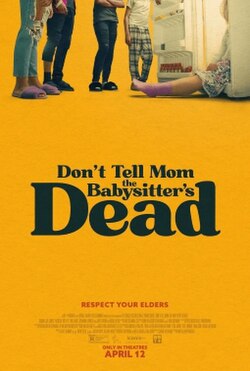
Tanya's Chaotic Summer: Adulthood, Fashion & Family – A Fresh Take on "Don't Tell Mom The Babysitter's Dead"
The summer holidays are typically a time for relaxation, adventure, and shedding the burdens of the school year. For seventeen-year-old Tanya Crandell, however, her plans for a dream trip to Spain with best friends quickly evaporated, replaced by an unforeseen plunge into the turbulent waters of unexpected adulthood. The modern reimagining of
Don't Tell Mom The Babysitter's Dead deftly navigates this chaotic shift, offering a vibrant, humorous, and deeply resonant narrative that speaks volumes about family bonds, financial struggles, and the indomitable spirit of youth. Director Wade Allain-Marcus and screenwriter Chuck Hayward have masterfully updated a beloved 90s classic, giving it a fresh voice and a powerful focus on a Black family learning to lean on each other.
The Summer That Wasn't: Tanya's Unexpected Journey into Adulthood
Tanya Crandell, portrayed with compelling depth by Simone Joy Jones, was poised for a summer of sun, sangria, and much-needed decompression in Spain. Life, however, had other plans. Her widowed mother, played by the incomparable Patricia ‘Ms. Pat’ Williams, faces an emotional burnout, leading to a doctor's prescribed yoga immersion in Thailand. This sudden pivot not only reroutes Tanya's much-anticipated vacation earnings to fund her mother's wellness retreat but also introduces the true architect of Tanya's chaotic summer: the babysitter.
Enter Ms. Sturak (June Squibb), a seemingly sweet elderly woman whose facade crumbles to reveal a rude and openly racist demeanor. Her reign over the Crandell siblings—burn-out Kenny (Donielle T. Hansley Jr.), sinister Melissa (Ayaamii Sledge), and simpleminded Zack (Carter Young)—is mercifully short-lived. Ms. Sturak's sudden demise in her sleep on the very first night catapults the Crandell children into a predicament far beyond their years. With their mother's strict instructions not to be disturbed and her financial resources now tied up in Thailand, Tanya and her siblings must concoct an elaborate plan to dispose of the deceased babysitter and, more importantly, figure out how to survive financially without their mother's knowledge. This initial crisis is a stark and comical initiation for Tanya, forcing her to trade her youthful aspirations for the daunting mantle of parental responsibility. It's a testament to the film's clever writing that this dark comedic premise sets the stage for genuine character development and heartwarming family dynamics.
Fashion Forward, Family First: Navigating a Double Life
The immediate aftermath of Ms. Sturak’s untimely departure leaves the Crandells not just without supervision, but critically, without funds. Tanya's attempts at securing gig economy jobs prove insufficient to cover household expenses and feed her three siblings. Faced with mounting pressure, she makes a bold, albeit risky, decision: she crafts a fake resume and, posing as an adult, lands a coveted position as an executive assistant at a struggling but trendy fashion company.
This plunge into the high-stakes world of fashion, under the guidance of the effortlessly cool Rose (Nicole Richie), becomes Tanya's parallel universe. By day, she's navigating corporate politics, demanding deadlines, and the intricacies of the fashion industry, all while maintaining the charade of adulthood. By night, she returns home to the chaos of her siblings, managing their needs, resolving their squabbles, and desperately trying to keep their precarious situation a secret. The film brilliantly highlights the stark contrast between Tanya’s glamorous, fabricated work life and her gritty, real-life responsibilities at home. It's a vivid portrayal of the immense pressure young people can face when thrust into adult roles prematurely, especially when financial instability looms large.
From this aspect, the movie offers subtle insights into resourcefulness and quick thinking. Tanya, though initially overwhelmed, quickly learns on the job, demonstrating adaptability and ingenuity that many adults would envy. Her journey subtly champions the idea that often, the greatest lessons are learned not in structured environments, but through the crucible of necessity and unforeseen challenges. For more on the narrative's modern twists, consider
"Don't Tell Mom": A Modern Remake's Fresh Narrative.
A Family Forged in Fire: Sibling Bonds and Societal Expectations
One of the most significant and refreshing changes in this remake of
Don't Tell Mom The Babysitter's Dead is its deep dive into the Crandell family's dynamics. Screenwriter Chuck Hayward, building upon the original's foundation, crafts each sibling with distinct personalities and individual struggles, transforming them from mere plot devices into fully realized characters. Kenny grapples with finding his passion, Melissa's cunning nature is often a double-edged sword, and Zack's simplemindedness provides both comic relief and unexpected moments of clarity.
The crisis of the "dead babysitter" forces these disparate personalities to coalesce into a functional, albeit unconventional, unit. They must communicate, cooperate, and confront their fears together. The narrative moves beyond a simple story of mischief, exploring how a family, particularly a Black family in this rendition, learns to be a unified force in the face of adversity. This deeper exploration of family bonds not only enriches the storyline but also offers a powerful message about resilience and mutual support. The film critiques societal expectations placed on young people, particularly those who face economic hardship, showcasing how the Crandell siblings defy these norms by accomplishing the unthinkable. Their collective journey highlights that true strength often lies in unity and the unwavering belief in one another. For an expanded perspective on this, explore
"Don't Tell Mom": A Black Family Redefines the Classic.
Beyond the Babysitter: Modern Relevance and Enduring Charm
The
Don't Tell Mom The Babysitter's Dead remake is a rare gem that manages to honor its predecessor while blazing a new trail. Director Wade Allain-Marcus's vision for a modern version is palpable from the opening scenes, immediately setting a tone that is both familiar and strikingly contemporary. The film is genuinely funny, charming, and infused with a buoyancy that makes even the most stressful moments enjoyable. It's a refreshing change in a landscape often dominated by cynical reboots.
The enduring charm of the story lies in its universal themes: the shock of confronting adult responsibilities, the struggle for financial stability, and the unbreakable bonds of family. In today's world, where young adults often face immense pressure to succeed and financial precarity is a common reality, Tanya's story resonates deeply. Her resourcefulness in navigating the gig economy, her courage in stepping into an unknown professional world, and her unwavering dedication to her siblings offer powerful lessons. The film implicitly encourages young viewers to embrace problem-solving, develop financial literacy, and prioritize open communication within their families. It’s not just a comedic adventure; it’s a masterclass in resilience and the unexpected ways we find our strength.
In conclusion, Tanya's chaotic summer in
Don't Tell Mom The Babysitter's Dead is far more than just a tale of a dead babysitter. It's an insightful, hilarious, and heartwarming exploration of growing up too fast, the strength found in unexpected places, and the enduring power of family. The film stands as a vibrant testament to the fact that some stories, when told with authenticity and a fresh perspective, can truly be timeless.